
Type 1 Diabetes (T1D) is an autoimmune disorder, usually presenting in childhood, that results in the destruction of islet (pancreatic hormonal) beta cells. Individuals are no longer able to regulate blood-glucose levels, as insulin secretion is suspended. The condition requires constant monitoring of blood sugar and an often frustrating relationship with food, exercise, and sleep, as insulin requirements can vary drastically throughout the day. When I first began researching T1D, I was surprised at the level of uncertainty in mechanisms of beta cell destruction. The following post will explore current research on the potential implications of gut microbiome and viral activation in the development of early-onset diabetes. If clear connections are identified, these could be avenues of disease prevention in high-risk children.

Depiction of the 3 loci for MHC II alleles. DR3-DQ2/DR4-DQ8 diplotype is thought to predispose individuals to developing T1D. There are around 750 known alleles for the three MHC II loci.
In the article “Genetics of Type 1 Diabetes Comes of Age,” the predominant genetic predisposition for those who develop diabetes before the age of 7 is an allele diplotype (DR3-DQ2/DR4-DQ8) for MHC II receptors on antigen presenting cells. This article explains that this combination of MHC II expression may act to induce the disease state in one or more of the following four ways: 1) favoring anti-islet antigen reactivity in T helper cells or reducing the protective repertoire of T regulatory cells; 2) providing a strong autoantigen environment in islets; 3) affecting the immune response to viruses involved in the disease; and 4) affecting how the gut microbiome develops early in life. Because this genetic component does not completely cover the instance of disease, environmental factors must be investigated. Researchers acknowledge that an earlier diagnosis (<7) indicates a more purely genetic onset, while those who become symptomatic later in life (>13) likely required more environmental factors to trigger disease causing gene expression. Recently, experiments illuminated lower anti-commensal (in reference to commensal gut microbiota) antibody titers in individuals with new onset T1D, suggesting that the disease could be inversely correlated with systemic immune stimulation by usual gut bacteria. They revealed dependence of anti-commensal antibody profiles on the aforementioned MHC II DR alleles, with high-risk individuals having lower IgG2 and total Ig responses to Roseburia faecis and the MET-2 consortium. It is still unclear whether immune responses to gut microbiota are associated with autoreactivity to host tissues (such as the pancreas) far from the intestines, but a relationship in T1D has now been established.
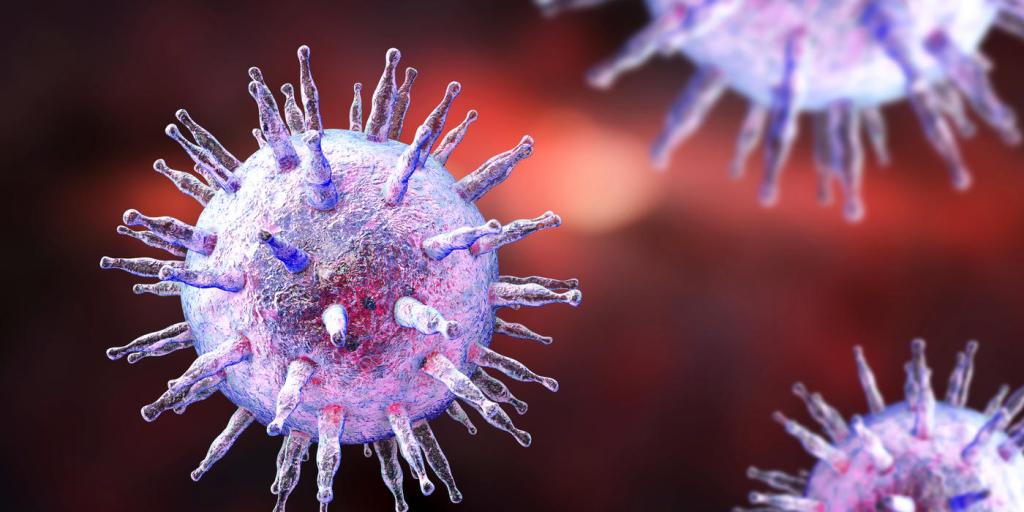
In many cases of T1D onset, a viral infection either coincided or preceded the diagnosis. One interesting observation is the involvement of Epstein-Barr virus (EBV) in many patients that develop T1D, as the antibody titers against EBV in T1D cohorts is higher compared to healthy controls. EBV, an enveloped double-stranded DNA virus, is the causative agent of infectious mononucleosis (“mono” or the “kissing disease”). It is commonly contracted among children and infects B lymphocytes, an immune response controlling cell. Viral control of B cells has been reported to produce various autoantibodies, but they shouldn’t be present at high enough concentrations to induce an autoimmune disease. However, its implication in several autoimmune conditions is being investigated, including lupus and multiple sclerosis. There is currently no vaccine for this virus. Hopefully these accumulating observations relating EBV infection and autoimmune conditions can push forward efficacious vaccine development.
Being close to individuals with T1D has shown me the intelligence, will, and persistence it takes to power through the ups and downs of glucose levels. Although it becomes second nature to constantly think about blood sugar, it should be possible to reduce the burden in today’s fast paced scientific world. I hope to work as a clinical pharmacist, and potentially specialize in helping people control both type 1 and type 2 diabetes. I am also interested in working on clinical trials for new devices and treatments that may decrease disease burden or work towards disease prevention. Continue the research, because type 1 diabetes does not let up, not even during a global pandemic.

 Layna's Microbiology Blog