Blog Feed

The “mabs”

Monoclonal antibody medications (usually ending in “mab”) are created to specifically target human physiology to reduce disease burden in a variety of afflictions, including certain cancers, rheumatoid arthritis, and asthma. Antibodies are produced naturally by our immune cells to neutralize potentially harmful foreign particles. Although these molecules are an essential part of our adaptive immune response, the B cells that produce them can be wrongly activated in some cases, producing self-damaging autoantibodies. Additionally, Ig-E class antibodies can mediate life-threatening allergic responses to non-pathogenic foreign substances. Scientists can modify the mouse immune system to produce human antibodies in response to a desired antigen, creating a pathway by which to harvest neutralizing agents that can be administered to patients. The term monoclonal indicates that every antibody produced came from cloned immune cells, and therefore only binds to one unique antigen.
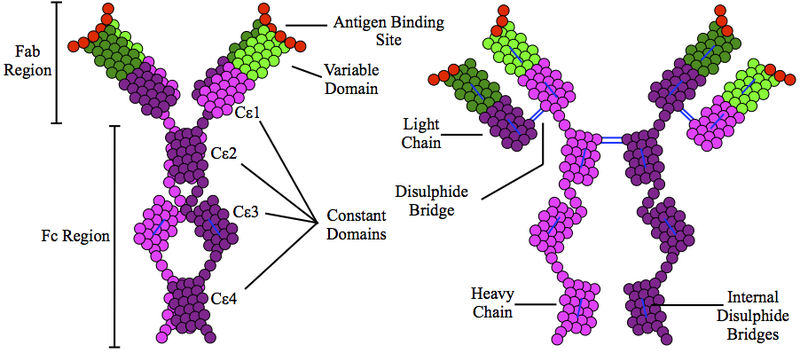
IgE antibody

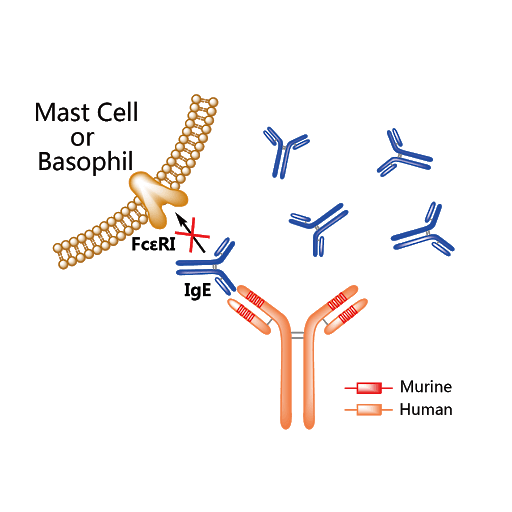
Omalizumab (Xolair) is an injectable monoclonal antibody drug used to treat severe cases of asthma and sometimes chronic idiopathic urticaria (hives), administered every 2-4 weeks by a healthcare provider. Individuals who are IgE sensitized against an allergen have IgE antibodies coating their mast cells and basophils. When the allergen enters their system, it crosslinks these IgE antibodies inducing degranulation of mast cells and basophils, which release histamine, cytokines, and other pro-inflammaotry molecules that can induce an allergic response ranging from mild hives to severe anaphylaxis. For people with asthma, IgE-mediated allergic responses can trigger asthma attacks. Omalizumab targets the IgE Fc region, acting as an anti-antibody. This artificial human antibody acts to reduce cell surface bound IgE, and was also found to reduce the number of FcεRI (high-affinity IgE Fc) receptors on basophils over time. By modulating a person’s acquired immune response against allergens, this drug can reduce asthma attacks in people with persistent asthma that is not well controlled by inhaled corticosteroids.
image

A forced interaction with IgE does not come without risk. Below are the side effects listed by the FDA for Omalizumab.

The most serious side effects:

  • Anaphylaxis
  • malignant neoplasms (cancer)
  • inflammation of blood vessels
  • fever
  • muscle aches
  • rash
  • parasitic infection
  • heart and circulation problems

The most common side effects:

  • pain in arms or legs
  • dizziness
  • feeling tired
  • bone fractures
  • common cold symptoms
  • nausea, vomiting
  • nose bleeds
  • joint pain
  • upper respiratory tract infection

These possible adverse reactions are gathered from clinical trials data and are compared with instances of the same reactions/conditions in control groups to test whether there is a significant increase when the drug is present. For example, one study found malignant neoplasms in 0.5% of Omalizumab-treated individuals versus 0.2% of those receiving a placebo. With many confounding factors contributing to cancer, it can be difficult to determine whether the drug induced this difference or not. Either way, it has to be listed with other side effects. The drug manufacturer repeatedly highlights anaphylaxis as the most serious and noteworthy potential reaction, with an estimated 0.2% frequency post-administration. Because the drug is targeting mast cells and basophils’s degranulation pathways, which are responsible for the release of mediators that induce anaphylaxis, it is not surprising that degranulation could be accidentally activated in some individuals when FcεRI and IgE are kept from performing their usual roles.
The listing of heightened risk of parasitic infection is also interesting. Adaptive IgE responses are initiated by B cells that were activated by TH2 (T helper cell 2) cells. In a historical sense, this pathway is normally activated in response to helminth (worm) infections. In the developed world, where worms are uncommon, there has been an increase in IgE-mediated allergies. It is suspected that idle TH2 cells can contribute to the development of allergies in susceptible individuals. The ability of Omalizumab to downregulate binding of IgE to mast cells and basophils reduces the immune systems capacity to fight helminth infections. While this may not pose serious threats for people living in the US, it is a dangerous susceptibility to travelers and those living in underdeveloped nations. Still, it is remarkable that a drug so specific has been created for human therapy. Monoclonal antibody medications serve as yet another example of how mimicking nature ushers in some of the most successful scientific discoveries. Cost is an adverse factor, with one dose marketing for around $1200. Fortunately, other companies are hoping to introduce a biosimilar to Omalizumab which could reduce cost burden and increase treatment availability.

Immune Mysteries: Type 1 Diabetes

Type 1 Diabetes (T1D) is an autoimmune disorder, usually presenting in childhood, that results in the destruction of islet (pancreatic hormonal) beta cells. Individuals are no longer able to regulate blood-glucose levels, as insulin secretion is suspended. The condition requires constant monitoring of blood sugar and an often frustrating relationship with food, exercise, and sleep, as insulin requirements can vary drastically throughout the day. When I first began researching T1D, I was surprised at the level of uncertainty in mechanisms of beta cell destruction. The following post will explore current research on the potential implications of gut microbiome and viral activation in the development of early-onset diabetes. If clear connections are identified, these could be avenues of disease prevention in high-risk children.

source
Depiction of the 3 loci for MHC II alleles. DR3-DQ2/DR4-DQ8 diplotype is thought to predispose individuals to developing T1D. There are around 750 known alleles for the three MHC II loci.

In the article “Genetics of Type 1 Diabetes Comes of Age,” the predominant genetic predisposition for those who develop diabetes before the age of 7 is an allele diplotype (DR3-DQ2/DR4-DQ8) for MHC II receptors on antigen presenting cells. This article explains that this combination of MHC II expression may act to induce the disease state in one or more of the following four ways: 1) favoring anti-islet antigen reactivity in T helper cells or reducing the protective repertoire of T regulatory cells; 2) providing a strong autoantigen environment in islets; 3) affecting the immune response to viruses involved in the disease; and 4) affecting how the gut microbiome develops early in life. Because this genetic component does not completely cover the instance of disease, environmental factors must be investigated. Researchers acknowledge that an earlier diagnosis (<7) indicates a more purely genetic onset, while those who become symptomatic later in life (>13) likely required more environmental factors to trigger disease causing gene expression. Recently, experiments illuminated lower anti-commensal (in reference to commensal gut microbiota) antibody titers in individuals with new onset T1D, suggesting that the disease could be inversely correlated with systemic immune stimulation by usual gut bacteria. They revealed dependence of anti-commensal antibody profiles on the aforementioned MHC II DR alleles, with high-risk individuals having lower IgG2 and total Ig responses to Roseburia faecis and the MET-2 consortium. It is still unclear whether immune responses to gut microbiota are associated with autoreactivity to host tissues (such as the pancreas) far from the intestines, but a relationship in T1D has now been established.

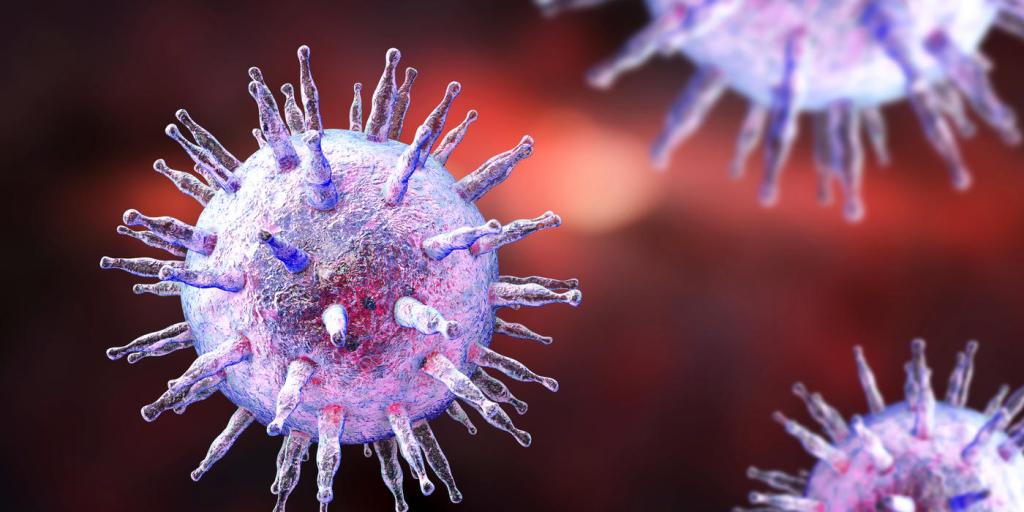
Epstein-Barr virus EBV, a herpes virus which causes infectious mononucleosis and Burkitt’s lymphoma.

In many cases of T1D onset, a viral infection either coincided or preceded the diagnosis. One interesting observation is the involvement of Epstein-Barr virus (EBV) in many patients that develop T1D, as the antibody titers against EBV in T1D cohorts is higher compared to healthy controls. EBV, an enveloped double-stranded DNA virus, is the causative agent of infectious mononucleosis (“mono” or the “kissing disease”). It is commonly contracted among children and infects B lymphocytes, an immune response controlling cell. Viral control of B cells has been reported to produce various autoantibodies, but they shouldn’t be present at high enough concentrations to induce an autoimmune disease. However, its implication in several autoimmune conditions is being investigated, including lupus and multiple sclerosis. There is currently no vaccine for this virus. Hopefully these accumulating observations relating EBV infection and autoimmune conditions can push forward efficacious vaccine development.

Being close to individuals with T1D has shown me the intelligence, will, and persistence it takes to power through the ups and downs of glucose levels. Although it becomes second nature to constantly think about blood sugar, it should be possible to reduce the burden in today’s fast paced scientific world. I hope to work as a clinical pharmacist, and potentially specialize in helping people control both type 1 and type 2 diabetes. I am also interested in working on clinical trials for new devices and treatments that may decrease disease burden or work towards disease prevention. Continue the research, because type 1 diabetes does not let up, not even during a global pandemic.

The Natural Fighters

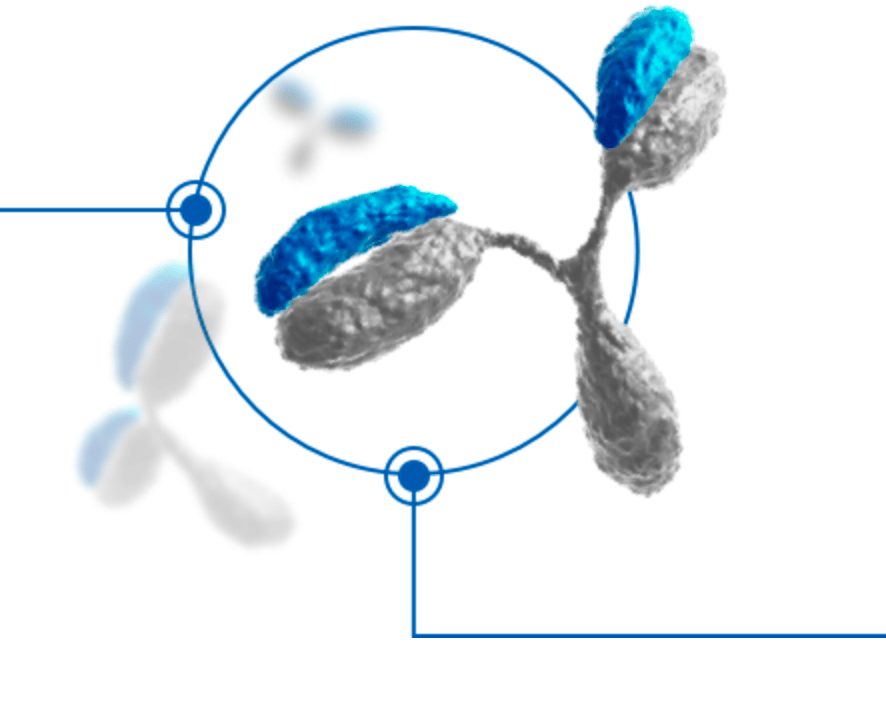
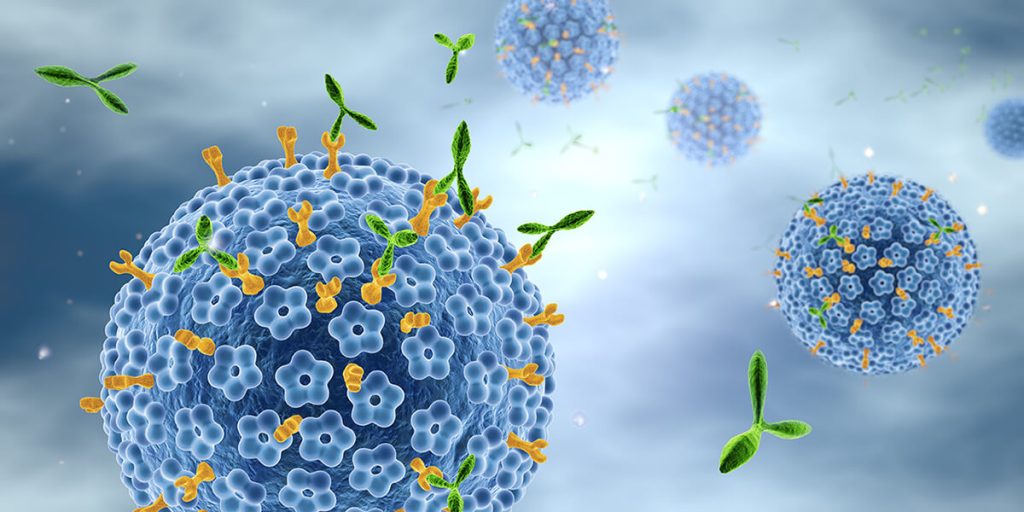
source: depiction of a human monoclonal antibody.

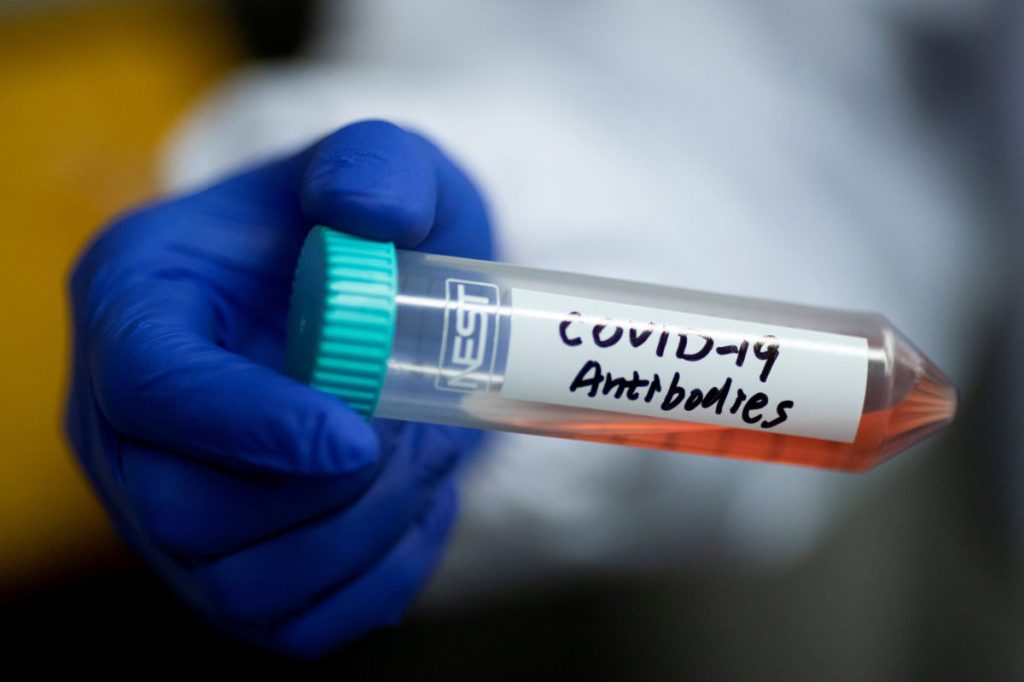
Most of the greatest scientific discoveries capitalize on the remarkable biochemistry that has evolved in nature. Exploring the research avenues for COVID-19 treatment, displays that developing an extraneous new small molecule antiviral drug or novel vaccine is inefficient, costly, and impossible to mass produce before this virus exerts maximum destruction. Currently, clinical trials with FDA approved drugs such as hydroxychloroquine and Remdesivir seem to be the best bet finding a way to reduce mortality. However, as a growing population recovers from the virus the potential to use convalescent plasma, containing natural fighters, or neutralizing antibodies, against COVID-19 infection is being investigated. Dr. Fauci, the director of the National Institute of Allergy and Infectious Disease, recently announced his hopes that plasma testing for convalescent antibodies could be widely available by mid April and used as a tool to allow gradual reopening of the nation. In addition to identifying individuals who are immune to the infection, this expanded testing will provide insight into the typical IgM and IgG antibody profile necessary to combat the virus.

source

B cells are the immune lymphocyte responsible for producing a humoral , or antibody, response against all pathogens. Before activation, unique IgM and IgD antibodies coat the membranes of B cells and act as receptors for specific antigens. Every B cell will respond to only one antigen, accounting for the delay in antibody production and infection clearance, as the antigen must circulate through the body for some time before encountering its B cell receptor (BCR). Upon this encounter, the BCRs are crosslinked and an initial supply of IgM antibody is produced as a preliminary infection neutralizer. Not until a fully activated T helper cell binds to molecular signatures of the B cell can it produce a more effective antibody, such as IgG and IgA, to circulate in blood and tissues or secretions respectively. A rapid IgM-IgG antibody test has been designed for COVID-19 diagnosis in asymptomatic or symptomatic individuals. If a larger titer of IgM is detected it would indicate the individual is 3-6 days into the infection, while a larger titer of IgG would suggest 10-18 days into the infection and entering convalescence. Significant quantities of both classes would hopefully signify the individual is entering a phase of steady infection clearance, since a full humoral response is underway. This humoral profile for COVID-19 is expected in response to a novel virus, since no memory B cells, which would immediately begin secreting IgG or IgA upon BCR crosslinking, are present. A person found to be IgG positive for COVID-19 antibodies would be unlikely to contract or spread the infection because circulating IgG would immediately neutralize the virus. This natural fighter ability thus explains the potential use of serum tests as a way to determine who can return to community involvement.

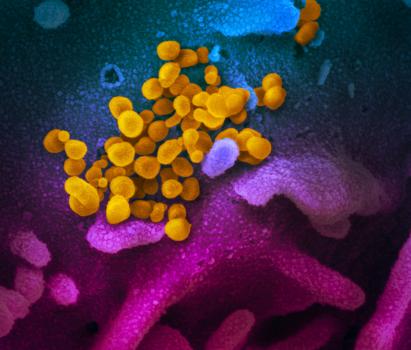
source: SARS-Cov-2 virus particles (yellow) exiting from cell

In addition to using testing to aid the reopening of society , investigation into the therapeutic potential of antibodies is pushing full speed ahead. The task of providing a newly infected person with a convalesced individual’s protective IgG antibodies is not as simple as a transfusion. The immune system can easily be overwhelmed by foreign substances. A more tactical approach involves finding the best human derived antibodies to fight the virus, and producing them on a mass scale in specialized mouse models. Regeneron, a biotech company in New York, recently announced their second proposal for therapeutic antibodies. The first proposal, Kevzara, involves an antibody against the IL-6 inflammatory cytokine receptor that aims to reduce an overactive inflammatory response in the lungs, which leads to rapid condition deterioration in some individuals. This drug is entering a phase 2/3 clinical trial in hospitalized patients. The second proposal involves a novel “antibody cocktail,” consisting of multiple fully-human virus neutralizing antibodies that target the COVID-19 glycoprotein spike. This cocktail may be successful in providing short term immunity to at risk individuals and those in early stages of infection, but it would not have the ability to charge the host’s immune system for subsequent attack like a vaccine would. There is also concern that the glycoprotein spike would be subject to change in the likely event that the virus mutates beyond recognition. Regeneron is only one company of many embarking on the path of antibody treatment, and there is hope that this option would be available sooner than a vaccine and could reduce infection spread significantly.

Sittin’, waitin’, wishin’…for a COVID-19 treatment

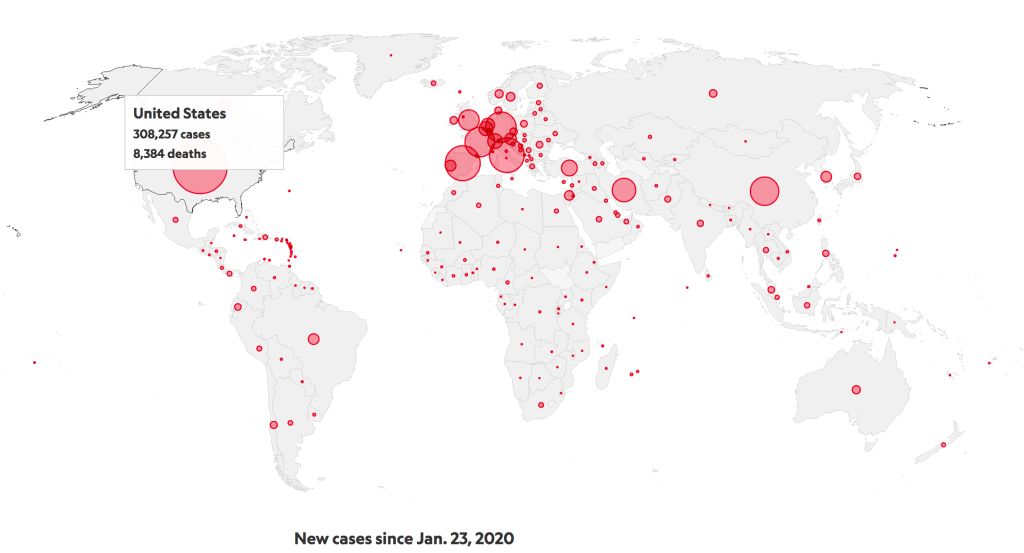
National Geographic: Mapping the global spread of the coronavirus

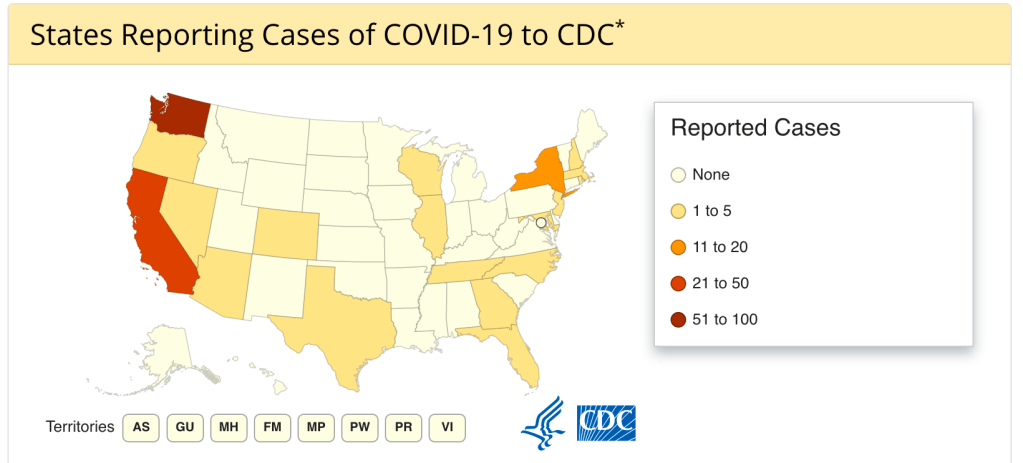
In my last post about COVID-19, I said the U.S. was “past the stage of true containment.” That was on March 7, when North Carolina had about 7 confirmed cases. There are now about 2600 reported cases, but I hope the public realizes that this count is lagging, inaccurate, and anything but a true representation of disease spread in the state. Unfortunately, these assertions also apply to the nationwide total that now surpasses 300,000. Lack of testing and asymptomatic carriers are the main inhibitors of accurate reporting. The panic and anxiousness of the world could subside if one of the current drug or vaccine trials showed promise in reducing COVID-19 associated deaths. Even with the hundreds of clinical trials occurring, with a demographic of some of the sickest coronavirus patients, a overwhelmingly positive treatment has failed to arise. The following post will explore the potential of Remdesivir, an intravenous drug that interrupts viral protein synthesis, and one vaccine candidate, Fusogenix DNA vaccine by Entos Pharmaceuticals.

The current clinical trials for Remdesivir against COVID-19 being carried out in the United States can be viewed here. Of the four, three are sponsored by Gilead Sciences, as they announce their donation of 1.5 million doses of the experimental drug, and one study is sponsored by the National Institute of Allergy and Infectious Diseases (NIAID). The latter had an estimated completion date of April 1st, but no results have been posted. Two of the Gilead studies are very similar besides one being classified as enrolling patients with “severe” coronavirus disease versus “moderate” coronavirus disease. Both cohorts were required to be hospitalized in order to qualify for the study, but their condition was distinguished by whether peripheral capillary oxygen saturation was above or below 94%. The third Gilead study required patients to be currently requiring mechanical ventilation upon enrollment. The NIAID sponsored study required some type of severe lung involvement. Hopefully this range of cohorts and dosage plans can reveal if Remdesivir is able to reduce viral load and mortality for COVID-19. This article, in the International Journal of Antimicrobial Agents, purports the broad-spectrum anti-coronavirus activity of Remdesivir in both in vitro and in vivo animal experiments. Its ability to be metabolized into a nucleoside analogue tricks the virus’s RNA dependent RNA polymerase into incorporating the drug into viral proteins, which are then terminated prematurely when the next nucleoside is unable to be added. If the virus cannot make effector and structural proteins, it dies, giving the host a break from its torture. The aforementioned studies will determine whether the drug can migrate to the location of the infection and appropriately enter human tissue cells where the damage is occurring.

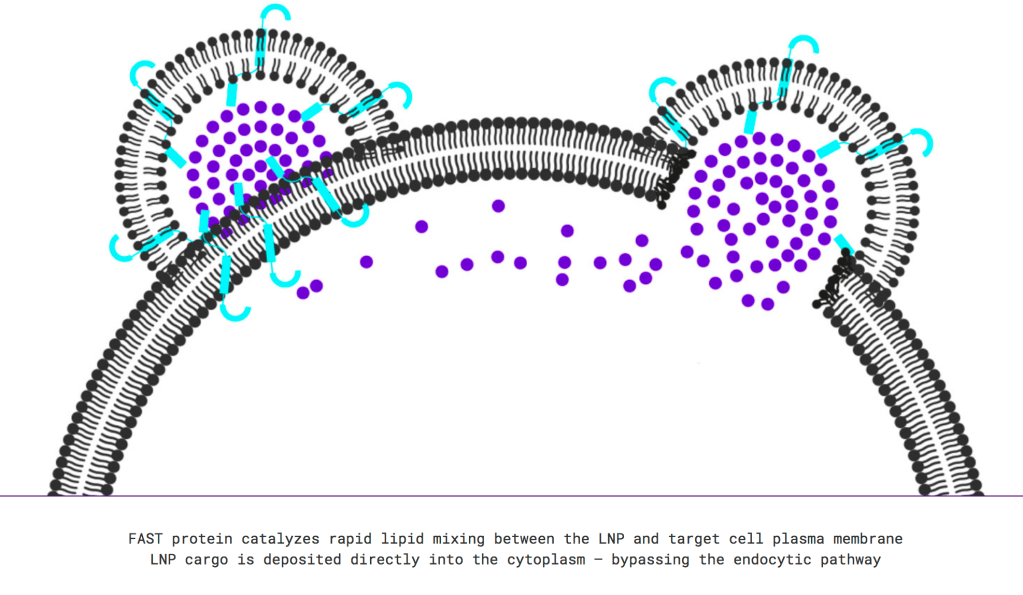
source, LNP (lipinanoparticle)

Creating and making a vaccine against COVID-19 is a much longer road than evaluating the efficacy of an FDA approved drug to fight the infection. Convincing basic science, animal trials, and long term human trials are all necessary parts of vaccine development. A more extensive list of vaccine candidates can be found here. The Fusogenix DNA vaccine by Entos Pharmaceuticals uses a relatively newfound vaccine platform that delivers genetic payload directly to cells in the form of a plasmid. According to Entos representatives, once the formulation of the COVID-19 vaccine has been completed, a fast-paced route to human clinical trials is planned to bring the vaccine to the public. This optimistic assertion of an efficacious vaccine is based on the idea that the plasmid would be translated inside cells, producing non-dangerous antigens selected from this novel coronavirus, inducing an immune response from B and T cells. Other advantages include enhanced vaccine stability and the avoidance of infectious agents in the production of the vaccine. Because multiple proteins/antigens could be selected to be delivered via the lipidnanoparticle vesicle, there are endless optimization and modification options should the virus mutate.

In attempt to avoid the depression that comes with coronavirus daily news updates, I am trying to instead focus my searches on these drug and vaccine trials. The results of clinical trials cannot be published soon enough. Although time is moving slowly for the world under stay-at-home orders, we should take the time to appreciate the fast tracked science occurring in response to this global pandemic. Scientific capabilities grow everyday, and I am opportunistic that an answer will surface soon. Meanwhile, keep doing your part to slow the spread of this threatening virus.

The New Medicine

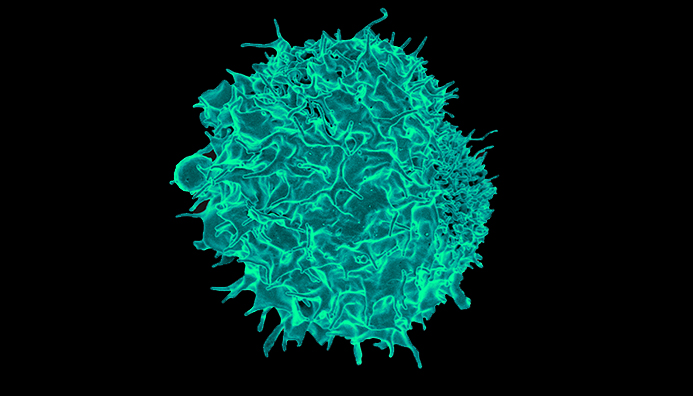
SEM of a T Cell

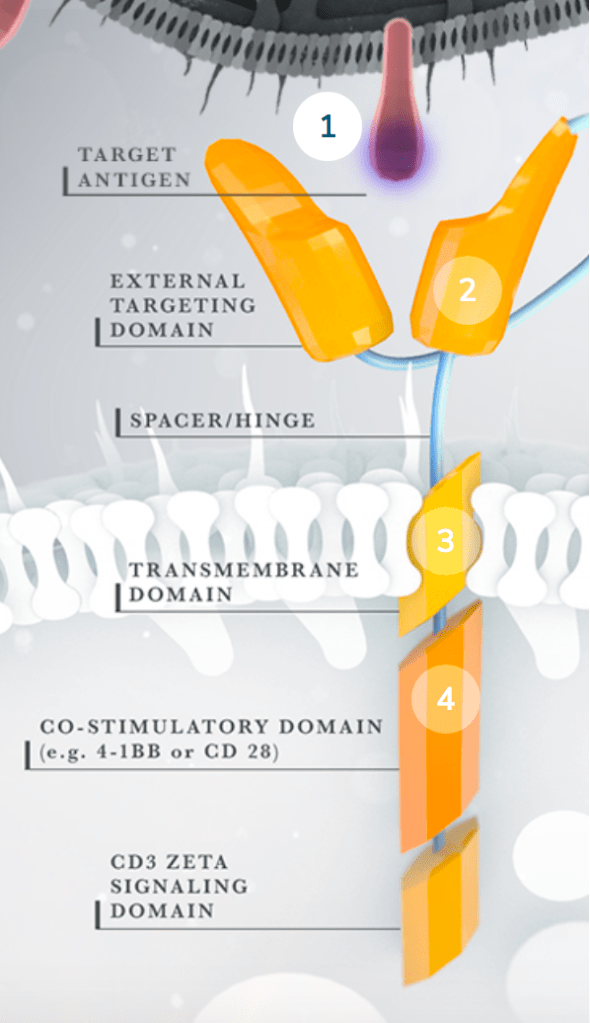
Every few decades a major medical development revolutionizes standards of clinical care. Vaccines, antibiotics, rapid laboratory testing are just a few examples of advancements that quickly became essential aspects of the treatment and prevention of everyday diseases. Personalized medicine, capitalizing on unique genetic signatures and self immune cells, has been taunted as the next revolutionizing aspect of medicine. While vaccines and antibiotics form a catch-all net that protects a majority of the public equally, personalized medicine in the form of gene and t-cell therapy proposes treatments that have the potential to target cancer, HIV, HPV, and many other serious infections that often leave individuals at a serious disadvantage to current protective measures of healthcare. You may have noticed, but the revolution of personalized medicine has yet to materialize. This post explores the current state of research specifically in chimeric antigen receptor (CAR) T-cell therapy and its potential to treat HIV, based on reported successes in hematological malignancies including pediatric leukemia. The semblance between these conditions, in terms of circulating non-stationary leukocyte infection, gives hope that appropriate T-cell drug targets could be developed to clear latent HIV infiltration.

The cost of one round of CAR T-cell treatment in the United States is between $373,000 and $500,000. In theory, only one treatment is necessary. However, this cost, if (somehow) it doesn’t already sound unimaginable, fails to include hospital fees and potential treatment of side effects which can easily drive the price tag towards one million dollars ($1,000,000). The following description of CAR T-cell treatment may elucidate a small (small) portion of the aforementioned cost, as complicated, precise, and personalized science is involved. The therapeutic plan involves isolating T-cells from the patients blood, engineering them to specifically target the malignancy/infection, and re-infusing an appropriate dose. The usual adaptive immune response requires dendritic cells, or other antigen presenting cells (APCs), to present processed pathogenic antigens to a reservoir of T cells with unique antigen receptor domains. In theory, there should be enough natural variation in a person’s T cell reservoir to recognize a sufficient variety (25 million- 1 billion) of pathogens and carry out an effective immune response. The advantage of creating CAR T cells includes the potential for a more rapid and specific response. Instead of waiting for dendritic cells to activate 10 out of 1 billion T cells, that will then proliferate in attempt to find that specific antigen and begin killing the infected cell, these artificial fighters bypass APCs and can immediately begin firing away at infected cells.

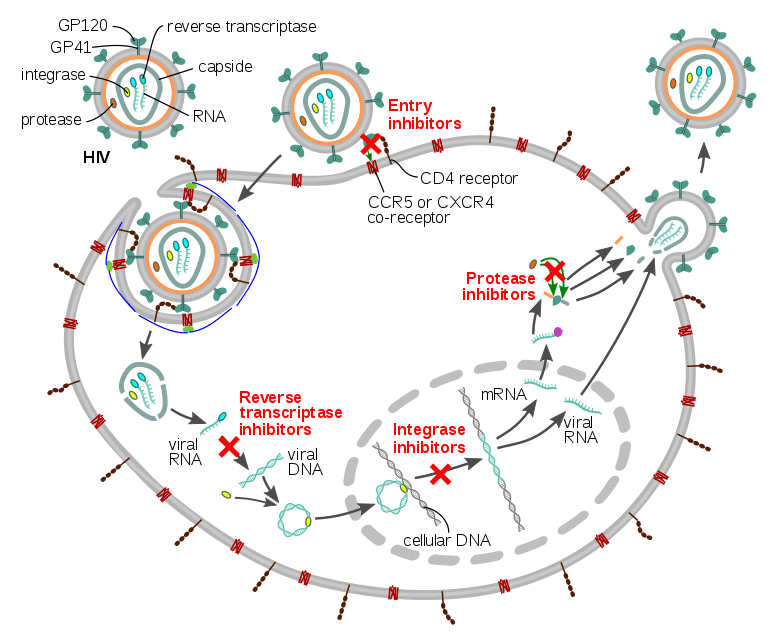
The 4 classes/mechanisms of current HIV antivirals show in red text.

HIV infects helper T cells. These T cells, whose function is to rid the body of pathogens and abnormalities, are impaired against HIV. By hijacking the host’s protective immune system, the HIV virus inhibits its own destruction. An outside source of fighters is necessary to combat the infection. CAR T cell therapy provides a potential solution because the engineered T cells could recognize specific HIV antigens, such as the glycoprotein spike on its viral envelope, and express epitopes that confer resistance to HIV infection themselves. While current antivirals rely on actively replicating and infiltrating virus, CAR T cells have the potential to attack latent HIV reservoirs in patients leading to possible disease clearence. Although this pursuit should continue in rigor, potential side effects should be equally explored. Severe cytokine release syndrome (sCRS) is possible, inducing a systemic inflammatory response that threatens every major organ in the body. Neurological toxicity is linked in this progression with building cytokine levels and CAR T cells that could cross the blood-brain barrier. Ambitious treatments serve higher risk, but the worldwide battle against HIV is not over.

World Tuberculosis Day, in the shadow of COVID-19

source

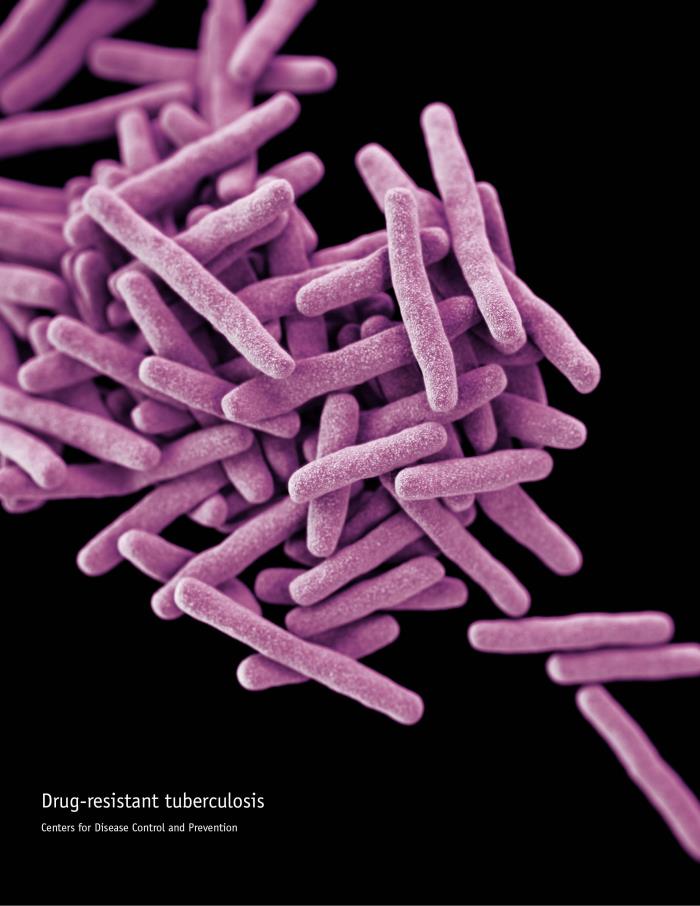
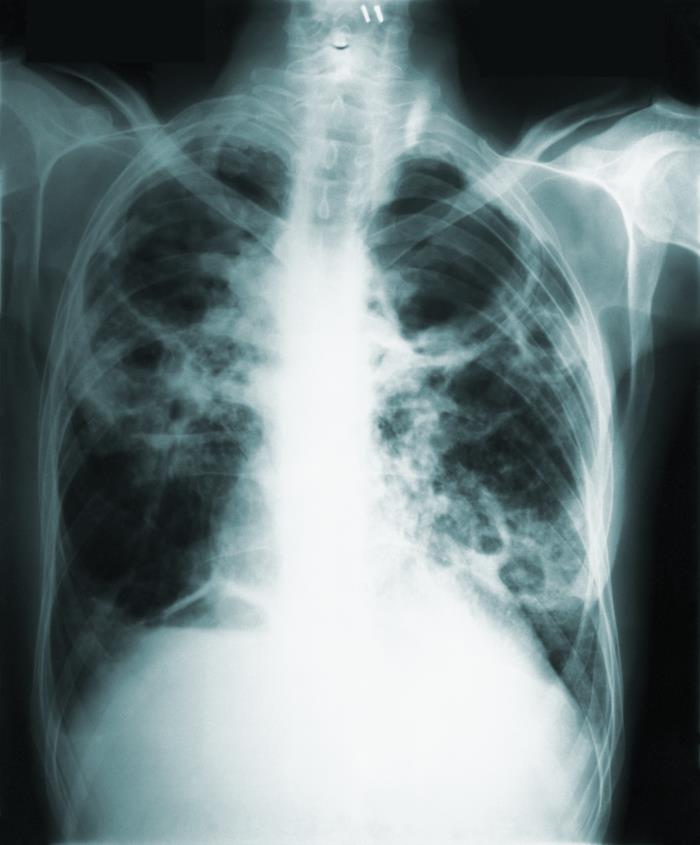
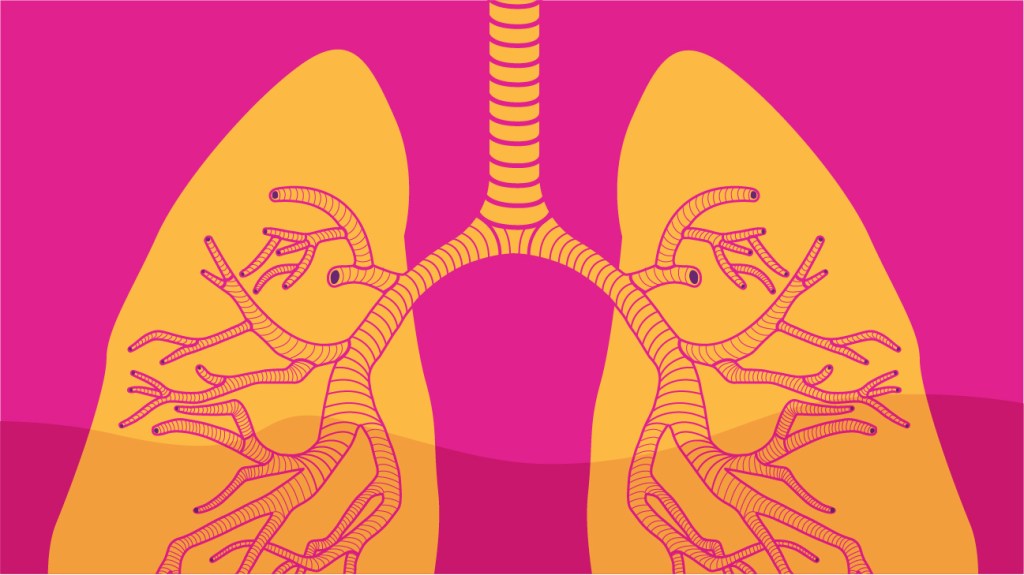
Tuberculosis, resulting from a Mycobacterium tuberculosis infection in the lower respiratory tract, causes millions of deaths per year and poses a severe threat for immunocompromised individuals. It is the leading cause of death among people living with HIV, accounting for 32% of HIV deaths in 2018. Although long-term multi-drug treatment can usually eradicate the infection over the course of 6 months to 2 years depending on patient circumstances, the emergence of increasingly drug-resistant strains is impeding the current antibiotic cure. March 24th, in usual years, highlights endemic tuberculosis and the efforts being made to combat this deadly disease throughout the world. This year, the WHO emphasized the importance of maintaining access to TB treatment despite strained healthcare systems grappling with an influx of severe COVID-19 cases. Ironically, the symptoms of tuberculosis and severe COVID-19 may overlap: fever, persistent cough, and constant fatigue are common presentations resulting from an invasion of the lungs and an overworked host immune system. The global disruption unfortunately will only increase the number of individuals that miss diagnosis and treatment. This reality only reinforces the importance of following social distancing measures to slow the spread of COVID-19.

During a global pandemic, the efforts of hardworking research groups on the world’s usual plagues are often overlooked. However, sometimes desperate health officials attempt to extrapolate research from unrelated severe diseases as a beacon of hope for a chaotic public. Both scenarios are likely occurring for tuberculosis. Although research in many labs has been put on hold, a recent paper reveals the potential importance of inflammasome regulation in M. tuberculosis infected alveolar macrophages in disease clearance. The inflammasome response upregulates host inflammatory signaling, and the interruption of this signaling was found to affect the survival of M. tuberculosis. If drug resistance continues to counteract the effects of antimicrobials that target the bacterial DNA dependent RNA polymerase (like Rifampin) or formation of the mycobacterial cell wall (like Isonaizid), other methods of inhibiting disease are necessary to maintain effective treatment.

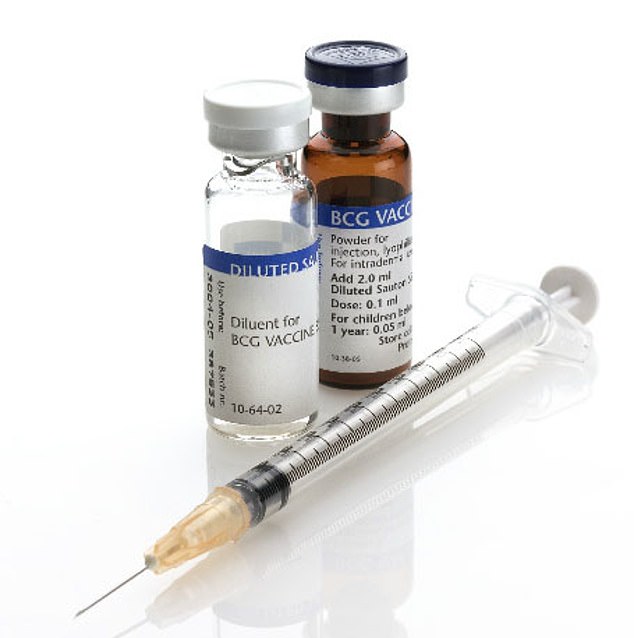
An example of redirecting focus from tuberculosis towards the COVID-19 crisis can be seen in many news headers over the past few days. For example, “Australian researchers trial TB vaccine to fight coronavirus.” Across the globe, years of research on other deadly diseases is being pushed into the light in hopes to cure COVID-19 rather than being perfected for its original purpose. At first glance, this headline is questionable. Besides the effect of the diseases in the lungs, the similarities between a tuberculosis and 2019-nCoV infection are few. It seems the only support given for running this large and expensive trial is a hope that it would boost “frontline,” or innate immunity against “germs.” Hmm. The vaccine being tested, BCG, is not administered in the United States because it is not very effective and interferes the the tuberculosis skin test. In this overview of the mechanism of the BCG vaccine in preventing TB, there is little evidence that there would be a strong response to a viral infection. However, Australian federal and state departments feel they have enough ground to run these trials after several studies indicated BCG vaccinated individuals may develop fewer viral respiratory tract infections than unvaccinated individuals. If the vaccine is found to confer protection against COVID-19, that would be a triumph. However, we should use these instances of overlapping research to also promote heightened awareness for other diseases and remind the public of the roles we should play every day of our lives to reduce transmission and increase treatment availability of all diseases.

Life on Hold

My last look at the Old Well for a while, as I headed back to my apartment on March 22nd to grab a few essentials for surviving home quarantine.

This past Monday marked the end of UNC Chapel Hill’s extended two-week spring break and the beginning of online learning in efforts to combat the spread of COVID-19 in North Carolina. “Zoom school,” as my friends call it, is weird, unnatural, and honestly hard to prioritize in our crazy current situation. Still, I found that after a much needed two weeks of doing nothing, I was actually looking forward to learning again and having something meaningful to fill my schedule with. My quarantine survival guide revolves around healthy distractions from the doom-and-gloom thoughts that are difficult to shake. These twins have brightened many of my days, and embody all my thoughts about quarantine, germs, and warm weather.

The hardest part is carrying out the decision to isolate myself from my closest friends and their families. Several important people in my life are in high-risk groups (type-1 diabetes, asthma, etc), and with my dad continuing to see patients in his internal medicine practice, it is impossible to ensure that my family is not exposed to this dangerous coronavirus despite our efforts to social distance. The uncertainty of how long I will have to wait before seeing them again is horrible (I am suspecting a month may even be on the hopeful side). But the thought of getting one of them sick is so much worse. For people like me, in these frustrating yet manageable situations, we have to stay positive and thankful for health and a home.

This slow-down in life is not completely unwelcome. I love UNC, my classes, my friends, and filling every day to the brim, but I didn’t realize how exhausted I was. I don’t remember the last time I slept this much, and I find myself with time to exercise, do homework, and paint almost every day. Who knew walking to class took up so much time!? A new thing my inflexible self is tackling is YOGA. This is my favorite YouTube channel for free classes, and I always finish feeling more positive and happy. Moving and being outside is really a cure for stir-craziness.

Above are a few snapshots of my attempt at a happy, healthy quarantine. Jump rope followed yoga one day. The spring-time beauty was AMAZING on today’s run, and the painted flowers are my attempt to mimic just a little bit of that beauty. I hope everyone is staying inside, protecting their people, and taking advantage of time <3.

COVID-19: the pressing pandemic

Past the stage of true containment, heath officials are urging people to become educated on how to reduce transmission of the COVID-19 virus rather than wait for a cure to emerge. In this age of transportation and technology, the spread of the 7th known coronavirus was inevitable. The number of reported cases in the U.S. likely underestimates the true extent of disease spread. A long and variable incubation period of 2-14 days increases the chances of unknowing hosts shedding disease in the community. As expected, the number of community acquired cases is beginning to outnumber travel-related cases in America. The consensus of medical professionals, and my microbiology professor alike is: wash your hands don’t touch your face (#WYHDTYF). Conveniently, this is the best method for reducing the spread of almost ALL infections!

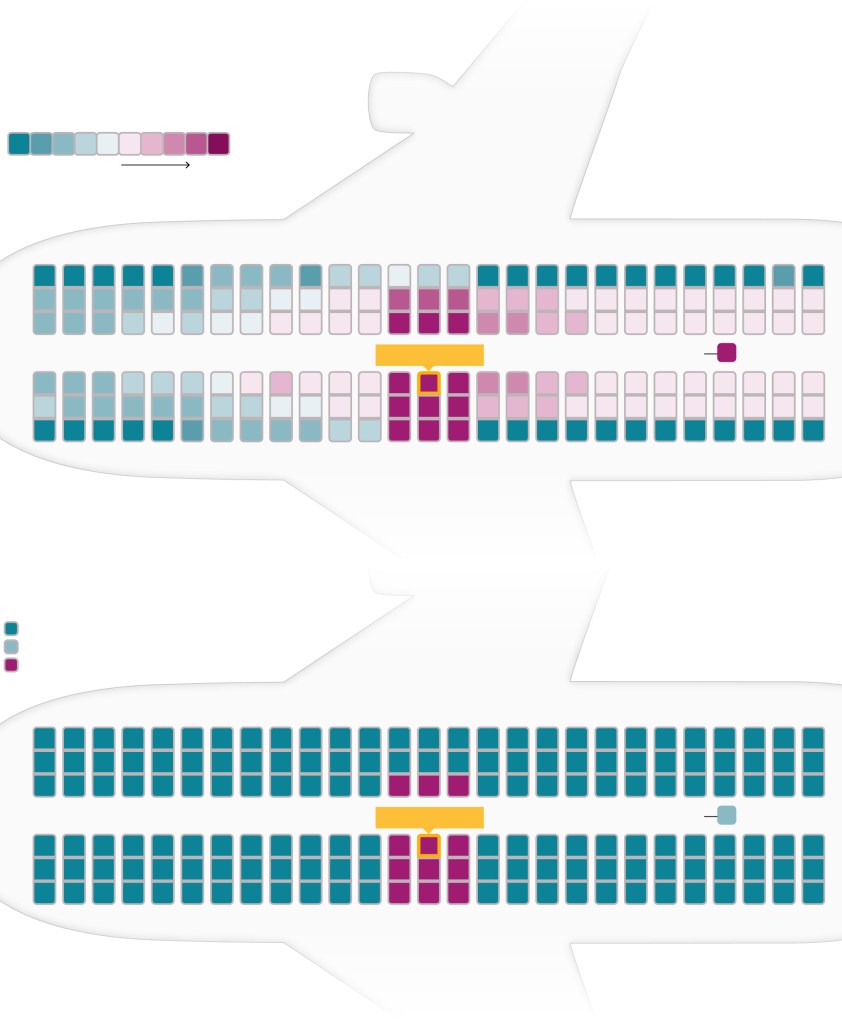
A general model of how respiratory tract infections likely spread on an airplane. The top image indicates probability of coming into contract with the infected person (somewhere in the pink seats), while the bottom image shows probability of actually becoming infected.

Most respiratory illnesses, and all other known coronavirus, spread by large droplet transmission. This means that respiratory secretions from infected individuals (which can include asymptomatic hosts) must enter through the eyes, nose, or mouth of another individual to infect them. These droplets usually fall within 6 feet of the secreting individual, and cover public surfaces. Suprisingly, this should hold true even on airplanes with constant air re-circulation. Large droplets are too heavy to be caught and will likely only endanger those closest individuals. Most viruses will only survive on fomites prior to drying. The specific lifetime of the COVID-19 particle is unknown, but expected to be between 3-12 hours. This transmission information reinforces that the best method of stopping the virus is for EVERYONE to control where their droplets fly (by covering your mouth with your elbow while coughing, for example), and for EVERYONE to wash their hands frequently with soap and water. One lucky thing about the coronavirus, is that its lipid envelope is easily destroyed by alcohol based hand sanitizers. This portable backup to handwashing has the potential to seriously reduce transmission of COVID-19.

This article, in a journal dedicated to intensive care research, outlines the lessons that we learned from the last two instances of novel coronavirus circulation (MERS and SARS). Although the diseases states differ, and human-to-human transmission seems to be more common with COVID-19, the impact on hospitals, healthcare workers, and the economy, are comparable. The author mentions availability of ICU beds, control of nosocomial transmission, and infection control goods supply, as issues that should be expected and planned for in the coming months. The need for a wealth of molecular and clinical research is also mentioned. Over Februrary 11-12, 2020 the research priorities were outlined in collaboration between the WHO and GLOPID-R, including a worlwide study that can independently analyze the effects of multiple interventions and their interactions.

The flu is a dangerous and pressing health concern every year, but we have a few ways to combat its presence. There is a possibility that the novel coronavirus may be less virulent than the flu, but the lack of artillery against it (including immunity and medications) is causing surges severe cases and widespread transmission.

It has been amazing to watch the massive influx of journal articles being published and reviewed in this time of crisis. For example, many labs are looking to identify a pre-exisiting drug or compound that may inhibit the receptor-binding-domain (RBD)-receptor interaction of the glycoprotein spike on this particular coronavirus. This study identified two chemotherapy drugs and food dye E155 as potent inhibitors of this site. Problems with widely declaring, as these researchers do, that these compounds may be used in medications to reduce disease severity include a lack of exploration of toxicity in the human body. What else might these compounds potently inhibit? Additionally, because glycoprotein spikes are what allow the virus to bind to target cells, this type of inhibition would like only be useful in early stages of incubation rather than in cases of severe disease. Despite these challenges, every scientific observation will be helpful in fully characterizing the virus we are battling.

STDs are STD (something to discuss)

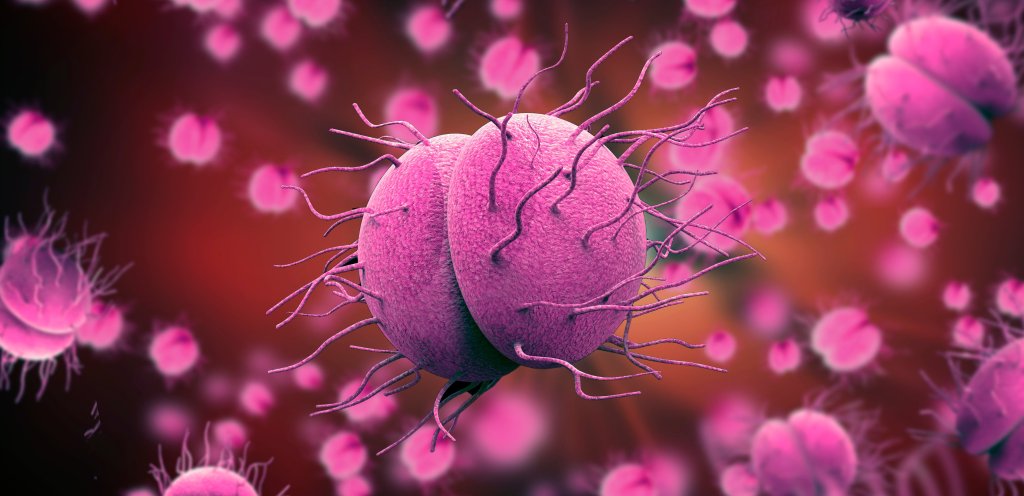
Neisseria gonorrhoeae
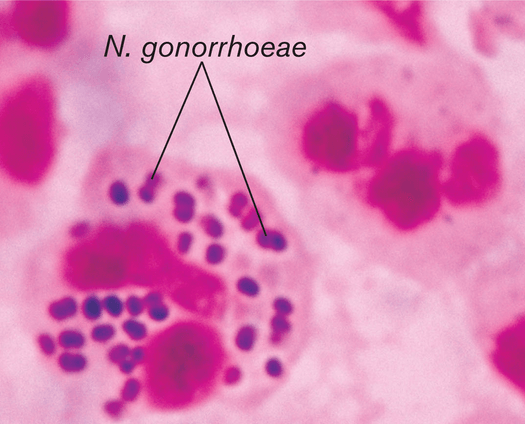
N. gonorrhoeae residing within polymorphonuclear luekocytes in a smear of urethral discharge.

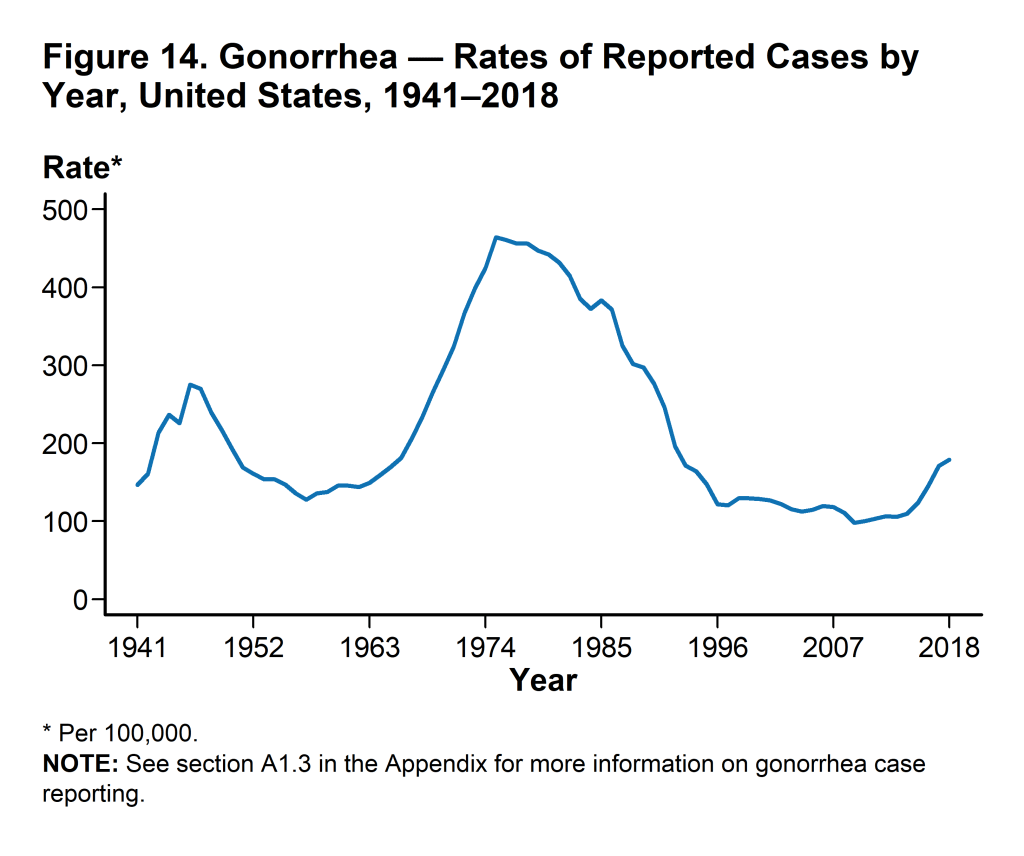
A 5% increase in gonorrhea was observed in the 2017-2018 calendar year, totaling 583,405 cases in the U.S. Notably, this number is an 82.6% increase from the historic low in 2009. This increase was accompanied by increases in all of the most commonly reported sexually transmitted infections, including chlamydia and syphilis. These changes are not due to chance. Taking a closer look at the epidemiology, treatment, and prevention of gonorrhea will reveal a major disruption in standards of care: antibiotic resistance. Gonorrhea is caused by Neisseria gonorrhoeae, a Gram-negative fastidious diplococcus. It only resides in humans, making it a potential target for pathogen elimination. With pili, it is able to attach to non-ciliated columnar mucosal cells, which are present in the urethra, cervix, mouth, pharynx, rectum, and conjuctivia. They can live on the surface, or inside of host cells conferring protection from host defenses. Although infections are frequently asymptomatic, the inflammatory response induced by the bacterium can cause long-term damage in hosts including pelvic inflammatory disease in women, arthritis, and infertility in both sexes. Potential signs and symptoms differ between men and women, but include painful urination, urethral discharge, and abnormal vaginal discharge. The lack of noticeably severe symptoms contributes to widespread transmission and unreported infections.

Transmission occurs by vaginal, oral , or anal sex. Vertical transmission results in neonatal gonococcal conjunctivitis. Fluoroquinolones were the initial antibiotic of choice for treating this infection in recent years, until resistance spread most likely through horizontal gene transfer. Combination therapy of ceftriaxone (injected) and azithromycin is now recommended. Unfortunately, this dual-antimicrobial regimen is not predicted to be a long-term solution since susceptibility in isolates worldwide is already decreasing. The use of antimicrobials ironically induces the selective pressure that allows the most resistant strains to proliferate. The fact that many infections are asymptomatic means that patients could be given antibiotic treatment for other ailments that inadvertently make N. gonorrhoeae populations more resistant. These populations are then spread through condom-less sexual encounters. Additionally, there is no immunity conferred upon infection, meaning that one person can be infected multiple times. This expands the reservoir in which N. gonorrhoeae can develop and expand in capabilities.

A recent study explores the potential to curb the effects of antibiotic resistance in N. gonorrhoeae by preventing initial cases through vaccination. Renewed interest in a gonococcal vaccine was spurred by evidence that two meniningococcal vaccines may be partially protective against gonorrhea. The WHO is aiming to reduce gonorrhea incidence by 90% between 2018-2030. These researchers concluded that even in the worst-case scenario of untreatable infection (completely antimicrobial resistant) emerging, the goal is attainable if all men having sex with men (MSM) attending health clinics received a vaccine offering at least 52% protection for at least 6 years. In this study, MSM were used as the demographic after being identified as the group with the highest per-capita rate of infection in England. The main impact of this study is the assertion that even a mildly efficacious vaccine could dramatically reduce disease prevalence. This 2019 study dives further into an outer membrane vesicle (OMV) vaccine.

The Cancer Preventing Vaccine

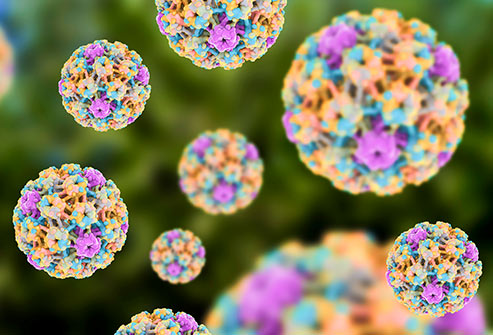
3D model of HPV, source

There are only two cancer preventing vaccines currently available to the American public: the hepatitis B virus (HBV) vaccine and the human papillomavrius (HPV) vaccine. HPV’s are nonenveloped double stranded DNA viruses spread through intimate skin-to-skin contact. Many serotypes (~150) have been identified, and key strains are heavily linked to the development of cervical, anogenital, oropharyngeal, head, and neck cancers. Low-risk strains, such as types 6 and 11, cause low grade cervical cell changes and genital warts. High-risk strains, including types 16 and 18, encode several oncoproteins in their 8 Kb circular genome that manipulate cell cycle regulators, induce chromosomal abnormalities, and block apoptosis. These processes result in the continued abnormal differentiation of epithelial cells that can easily lead to tumors. The integration of the viral genome into the host genome shields the infection from the host’s immune response. There is no treatment for HPV infections besides removal of local legions, which does not usually eliminate infection.

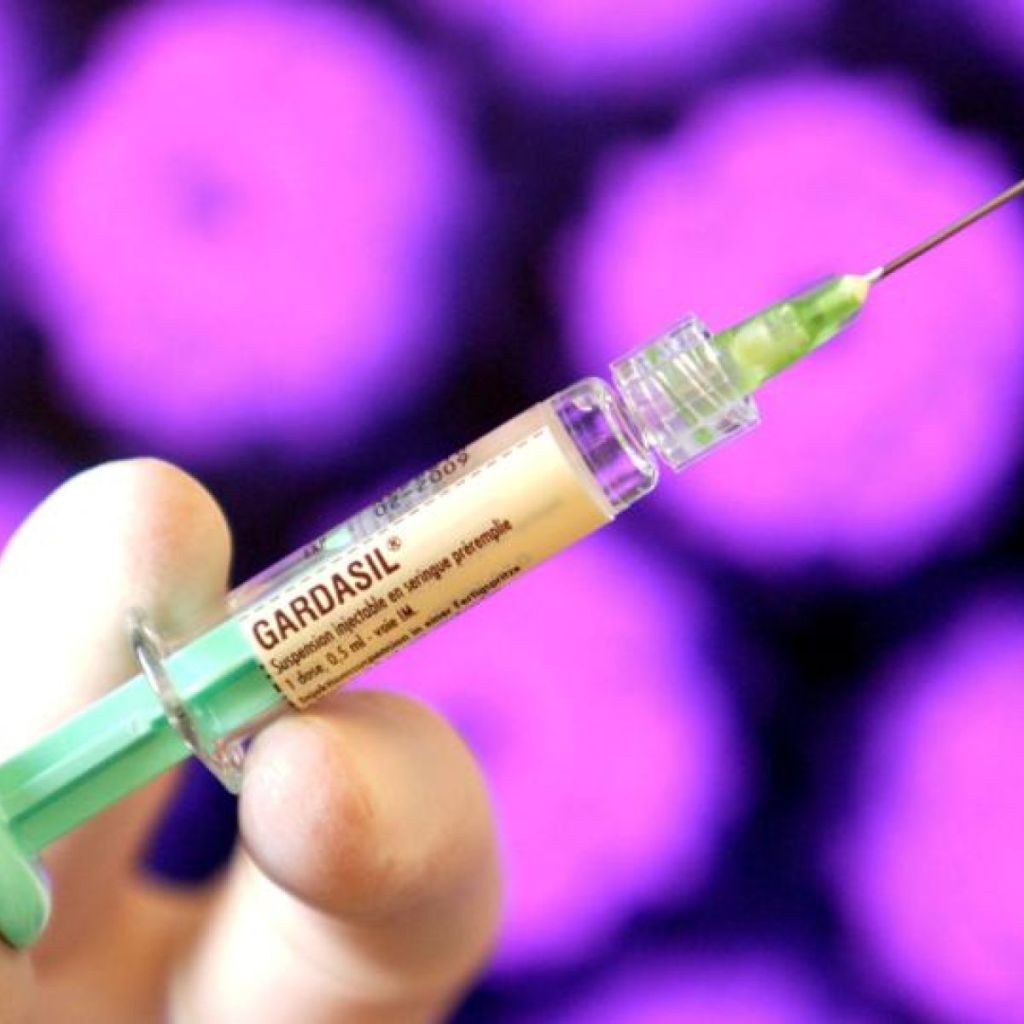
Despite the suggestion that essentially all cervical cancers are attributable to HPV, under 50% of the appropriate age groups are properly vaccinated. When the previously linked article was published, only 2 vaccines were used in the U.S: Cervarix, a bivalent for types 16 and 18; and Gardisil, a quadrivalent for types 6, 11, 16, and 18. Gardisil 9 (9vHPV) has since been introduced, which covers 5 additional cancer-causing serotypes and is now the only HPV vaccine in used in America. 9vHPV is a noninfectious virus-like particle (VLP) vaccination which underwent thorough clinical trials in over 15,000 females and males aged 9-26. All adverse effects were reported, most commonly relating to non-severe injection site events including pain, swelling and erythema with mild-to-moderate intensity. These events were reported more frequently than for the two previously used vaccines, but the protection it confers is deemed much more significant than short-lived irritation at the injection site.

Investigation into the positive future of eliminating HPV-related cancers

Even with vaccine safety confirmed, vaccine refusal and misinformation are very common. Two doses of the HPV vaccine are recommended for all boys and girls at ages 11-12. If the sequence is started after age 15, 3 doses over 6 months, is recommended. In 2017, coverage among boys was 44.3%, compared with 53.1% in girls. Neither percentage is impressive, and the apparent gender gap relates to physician recommendations and misinformation among parents and teens. In the JAMA Pediatrics research letter, polling revealed that 60.1% of men, and 31.6% of women did not know HPV caused cervical cancer. Additionally, over 75% of adults were unaware that the virus also contributes largely to incidences of anal, oral, and penile cancers. A recent Pediatrics study investigated the recommendation practices of pediatricians and family physicians (FPs). The researchers emphasized the importance of using the “presumptive” style when discussing the vaccine, meaning it was introduced as routine along with menigitis and DTaP/TDaP vaccinations. Only 65% of pediatricians and 42% of FPs used this approach always or almost always. Ample room for improvement was identified in both stylistic approaches to introducing the vaccine to families, and emphasis on covering both boys and girls aged 11-12. It was noted that the 2 dose sequence was much more likely to be completed than the 3 dose sequence after age 15. Therefore, early introduction and adherence is crucial in eliminating HPV induced cancers from our nation’s medical concerns.

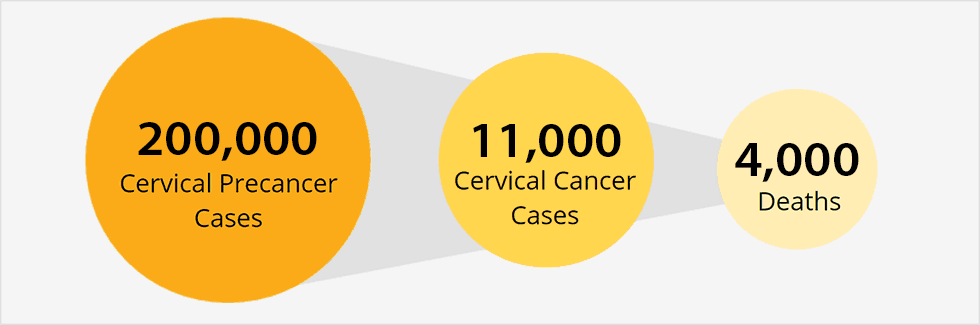
The above diagram relates estimations for cervical precancers, cancers, and deaths reported in the U.S every year. Although a major focus of the HPV vaccine has been reducing cervical cancers, the virus is being increasingly linked to other cancers which helps explain the delay in emphasizing vaccination importance in young boys.